
Sourcing Modular Buildings from GETO: Factory Inspections in Australia’s Housing Supply Chain
Just another WordPress site
Press Release Disclaimer: This is a press release distributed through the XPR Media network. It has not been independently verified by our newsroom.


ZHONGSHAN, China – November 23, 2026 – GETO New Materials Group Corporation Limited manufactures steel and precast concrete modular buildings for international projects. In July 2026, the company reported that it had delivered multiple modular housing projects in Australia and that Australian certification agencies had carried out inspections and quality acceptance checks at the factory during production. For developers purchasing finished rooms from overseas, those inspections address a practical concern: some of the work a buyer needs to verify will be behind a wall or beneath a finished floor by the time a module arrives.
Earlier, in April 2026, GETO announced six Australian projects using its steel-framed modular system, including Lot 122. Its project profile for Lot 122 describes the use of an individual code to track each module. Factory inspection and unit identification address different parts of the same purchasing decision. The first establishes when work can be examined. The second gives the receiving team a way to distinguish the unit intended for a particular location, even when several rooms look alike.

What buyers can inspect before shipment
In modular construction, the factory production sequence helps determine when an inspection is most informative. An assessor can examine a steel frame while its connections are visible. Once interior linings and finishes are in place, access changes. For a buyer preparing a supply contract, GETO’s account of factory inspections in Australia raises an important point to settle before manufacture: which details must the assessor see in person, and what records should accompany the shipment?
The Australian Building Codes Board addresses concealed work in its handbook on prefabricated, modular and offsite construction. A practical application is to review the production drawings with the manufacturer and the relevant project assessor. They can identify the stage at which each detail is visible, agree on the evidence required and assign responsibility for retaining it. The local contractor can use the same review to identify joints and service connections that will need inspection after the modules are assembled on site.
What GETO installs in a steel module
GETO builds its steel modules around structural steel frames. Depending on the specification, factory work can include mechanical, electrical and plumbing systems as well as interior and exterior finishes. Crews then join the modules on site with high-strength bolts. For a purchasing team, the drawings and finish schedule define the scope in terms that can be priced: which systems arrive installed, where each service terminates and which connections the contractor completes locally.
The joint between two neighboring rooms illustrates why those decisions belong in the tender. The engineer needs to know where the structural connection sits. The installer needs access to the bolts. The finishing contractor needs to know which section of wall or ceiling to close afterward. A coordinated detail gives all three parties a basis for estimating the work. GETO’s Australian Lot 4511 project, which the company describes in terms of factory prefabrication and rapid site assembly, provides a reference for discussing that handover with the supplier.
What a precast concrete housing order covers
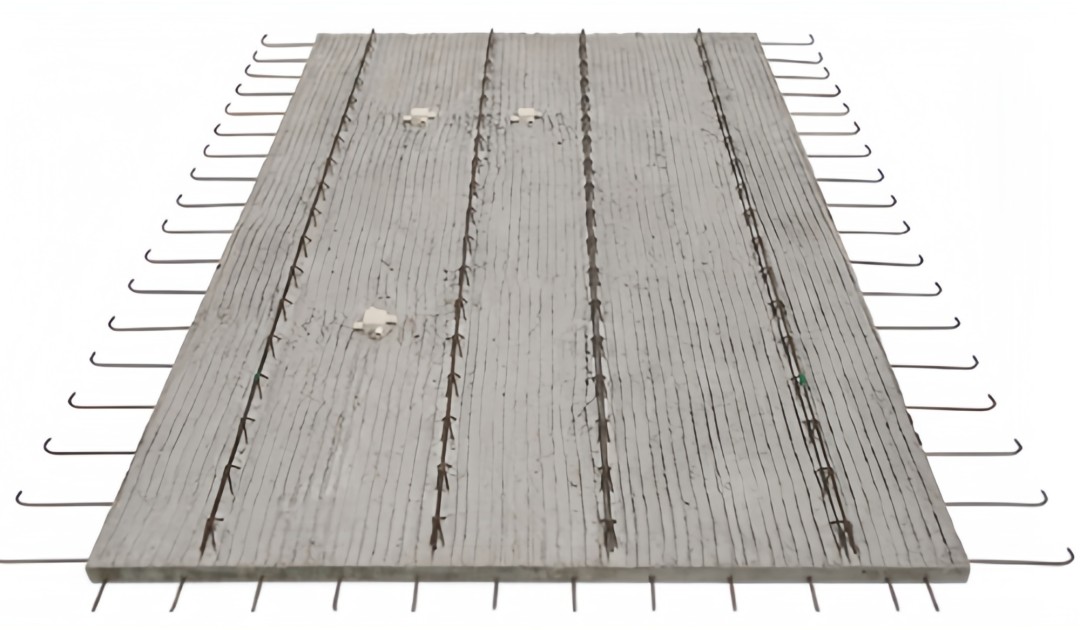
GETO’s precast concrete (PC) modular housing series can incorporate floors, ceilings, plumbing, electrical lines and bathroom waterproofing during production. The company also supplies individual precast concrete components for prefabricated buildings. Developers planning precast concrete buildings can compare quotations more accurately when each supplier specifies what it will deliver for each room. A fitted bathroom module and a set of structural components leave different amounts of work for local trades, even when both proposals reference the same floor plan.
Waterproofing is one detail with consequences for both inspection and price. If the factory applies the membrane and lays the finished floor, the buyer can arrange for the membrane to be inspected while it remains accessible. The supply documents can also show where the drainage connection terminates and who will test it after installation. Those decisions allow the manufacturer to quote the factory scope and the local plumber to price the site connection against the same drawing.
Keeping individual units traceable across a development
The value of unit identification becomes clearer as the number of layouts increases. GETO reports that one Singapore residential development included 2,444 prefabricated units across 91 structural types. At that scale, a design revision can affect one group of units while work continues on dozens of others. GETO has developed industrial design software, production management systems and automated production lines to support its manufacturing operations.
For engineers evaluating a supplier, one drawing revision can provide a useful test. If a developer changes a fixture after approving the room layout, the team can ask which units are affected, which have entered production and which version the receiving contractor should expect. Lot 122 offers a specific starting point for that discussion. A buyer can ask the supplier to demonstrate how an individual module code corresponds to its intended position and which drawings and inspection records the contractor will be able to retrieve at delivery.
What an installed-cost quotation covers
For an international order, the delivery point can materially affect the price a buyer sees. A quotation for factory-completed modules may leave the purchaser to arrange freight, unloading and lifting. A price that includes delivery to site may still leave structural connections, utility work and final testing to the local contractor. Identifying the party responsible for each activity allows developers and distributors to compare proposals through installation and use local rates for the work they will procure separately.
Delivery sequence can also affect the installed cost. On a site with limited storage, an upper-floor unit that arrives before the rooms beneath it may require temporary storage and an extra lift. Reviewing the dispatch schedule alongside the installation drawings gives the manufacturer, carrier and contractor an opportunity to agree on the order before transport is booked.
For a development with repeated room types, one representative room can anchor the procurement review. The team can follow its approved drawing through factory production, inspection, shipment and final connection, then examine the variations across the remaining order. For GETO’s steel and PC series alike, that exercise produces a usable purchasing specification: the condition in which each unit should arrive, the evidence the buyer will receive and the work included in the installed price.
About GETO
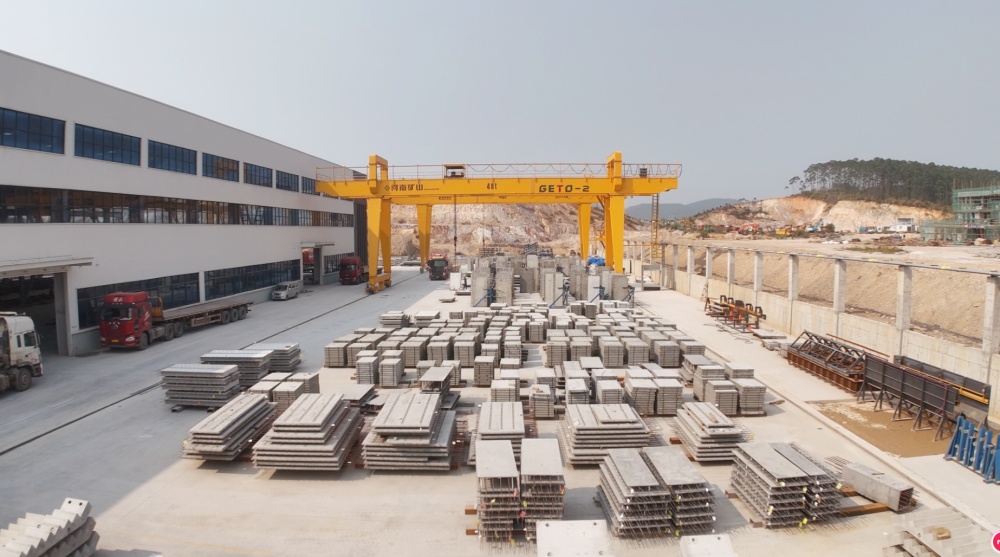
GETO is listed on the Shenzhen Stock Exchange under stock code 300986. The company develops and manufactures modular buildings, prefabricated buildings, construction formwork and scaffolding systems. Its modular building portfolio includes steel and precast concrete systems, with services covering design development, manufacturing, site assembly and technical support.
Media Contact
Company Name: GETO New Materials Group Corporation Limited
Contact Person: Quanhui Nian
Email: Send Email
Phone: 8618070545691
Address:9th, 14th, and 15th floors, Building B, Cuiheng Building, No. 18Hexin Road, Zhongshan City, Guangdong Province
City: Zhongshan
State: Guangdong
Country: China
Website: https://www.getoglobal.com/
Press Release Distributed by ABNewswire.com
To view the original version on ABNewswire visit: Sourcing Modular Buildings from GETO: Factory Inspections in Australia’s Housing Supply Chain
