
Riley Plumbing Urges Brazoria County Homeowners to Test Water for Hardness
Riley Plumbing highlights how mineral scale can affect water heaters & corrosion can damage pipes, emphasizing water
Press Release Disclaimer: This is a press release distributed through the XPR Media network. It has not been independently verified by our newsroom.
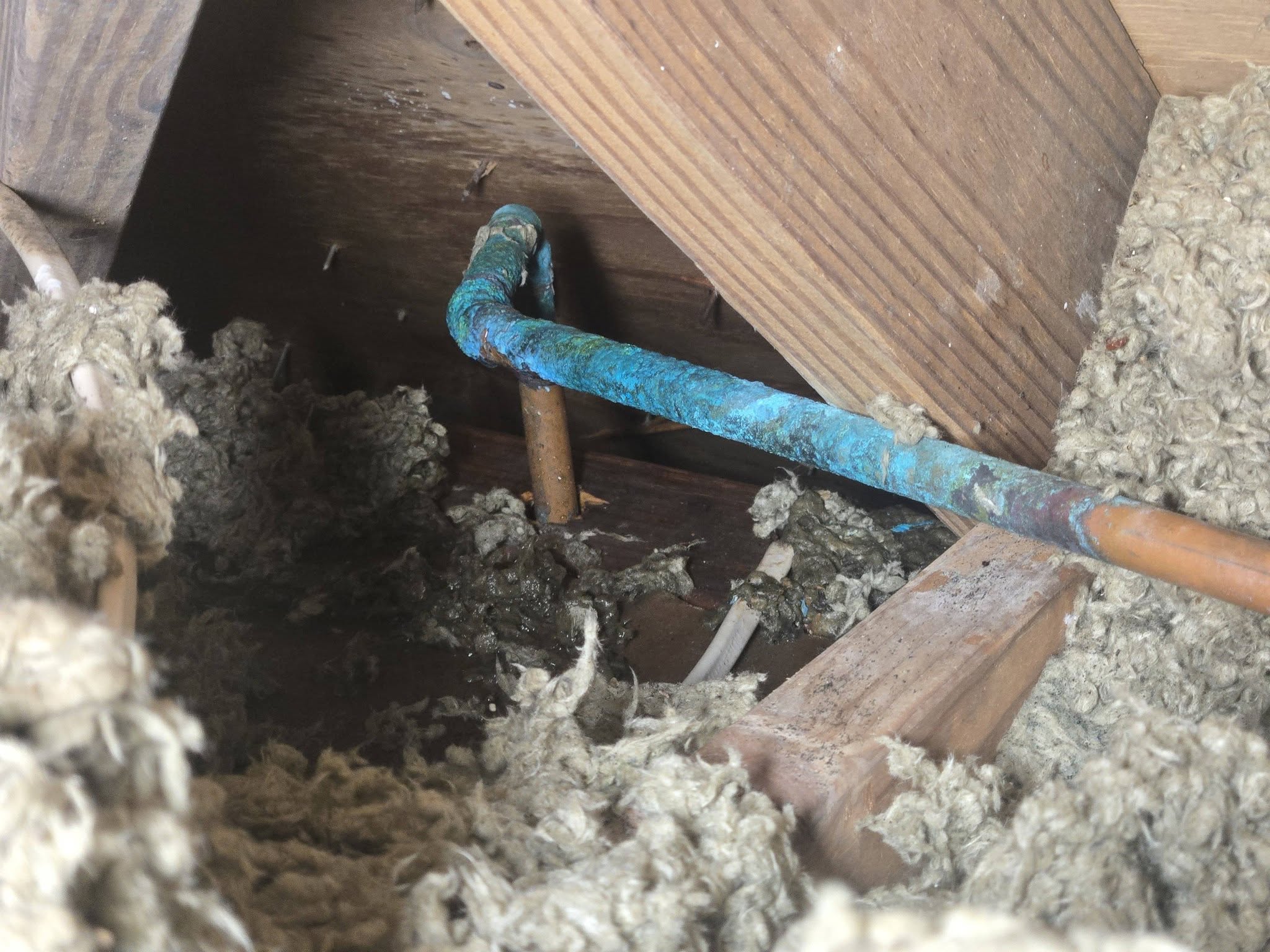

Riley Plumbing highlights how mineral scale can affect water heaters & corrosion can damage pipes, emphasizing water testing & appropriate treatment options.
WEST COLUMBIA, TX, UNITED STATES, October 19, 2026 /EINPresswire.com/ — Riley Plumbing, LLC, a licensed plumbing contractor serving Brazoria County, is urging homeowners to have their household water tested and to evaluate whole-home water filtration and water softening, citing a recurring pattern of water heaters failing from mineral scale and water lines leaking from corrosion in homes throughout its service area. The company says hard water, sediment, disinfectant chemistry, and coastal groundwater conditions all contribute to plumbing wear that many homeowners do not notice until a tank begins to leak or a pinhole leak appears inside a wall.
The advisory is based on what Riley Plumbing’s technicians encounter in the field. According to the company, a significant share of the water heaters it replaces have reached the end of their service life early because of scale and sediment accumulation, and much of its leak repair and pipe replacement work traces back to corrosion in aging supply lines. The company is encouraging residents to treat water quality as a plumbing maintenance issue, not only a taste or appearance issue.
Riley Plumbing provides residential and small commercial plumbing services in Brazoria, Sweeny, Lake Jackson, Sargent, Angleton, West Columbia, Freeport, and surrounding communities within roughly a 20- to 30-mile radius. Its services include leak detection, water line repair and replacement, whole-home re-piping, water heater replacement, tankless water heater installation, whole-home water filtration and water softening systems, fixture installation, remodeling and new construction plumbing, and natural gas and propane line installation. The company operates under Texas Responsible Master Plumber license RMP-19605, is licensed for natural gas and liquid propane line work, and holds Noritz Level 3 certification for tankless water heater installation, repair, and maintenance.
What Makes Brazoria County Water Hard on Plumbing
Brazoria County homes are supplied by a mix of municipal water systems and private wells, and water chemistry can vary significantly from one property to the next. Several local conditions affect how water behaves inside a home’s plumbing.
Hard water is the most common concern. Water hardness is caused primarily by dissolved calcium and magnesium. The U.S. Geological Survey classifies water with more than 180 milligrams per liter of hardness, measured as calcium carbonate, as very hard, and notes that hard water forms scale in water heaters and pipes. Groundwater drawn from mineral-rich formations along the Texas Gulf Coast frequently carries these minerals into household plumbing, where they show up as white crust on faucets and showerheads and as rock-like deposits inside water heaters.
Coastal groundwater adds another variable. A University of Oklahoma study that used electrical resistivity surveys and well sampling in Brazoria County reported geochemical indicators of seawater intrusion, including elevated sodium and chloride levels, particularly in areas closer to the coastline. Elevated chloride and total dissolved solids can make well water taste salty and can make water more aggressive toward metal plumbing components. Conditions differ from well to well, which is why testing an individual water source matters more than relying on general assumptions.
Municipal water brings its own considerations. Several Brazoria County water systems, including the City of Lake Jackson’s main system and the City of Angleton, use chloramines as a disinfectant. The Brazosport Water Authority temporarily converts its system from chloramines to free chlorine twice a year to clear excess ammonia from distribution lines, and customers in its service area have been advised that a chlorine odor and temporary discoloration from disturbed iron sediment may occur during these conversions. Disinfectant levels remain within Texas Commission on Environmental Quality limits, and the water remains safe to drink, but the taste, odor, and sediment changes are among the reasons some homeowners choose point-of-use or whole-home filtration.
Private wells require the most attention. Unlike public water systems, private wells are not regulated by the U.S. Environmental Protection Agency, and well owners are responsible for their own water quality. The EPA recommends testing private wells annually for total coliform bacteria, nitrates, total dissolved solids, and pH. Some groundwater in the region also contains iron and manganese, which can cause reddish-brown staining, discoloration, and metallic tastes.
How Scale Shortens Water Heater Life
A conventional tank water heater heats water from the bottom of the tank. When hard water is heated, dissolved calcium and magnesium come out of solution and settle as scale and sediment. Over time, that layer insulates the water from the burner or heating element, forcing the unit to work harder and longer to deliver the same amount of hot water.
Homeowners often notice the warning signs before a failure: rumbling or popping sounds from the tank, longer recovery times, lukewarm water, rusty or cloudy hot water, and moisture around the base of the unit. In electric units, scale can surround and overheat the heating elements. In gas units, sediment buildup on the tank bottom can create hot spots that stress the steel. Once the tank itself begins to leak, repair is rarely an option, and replacement is typically required.
Independent laboratory research supports the connection. A study conducted by Battelle for the Water Quality Association tested 30 water heaters under accelerated scaling conditions and found that gas storage and tankless water heaters supplied with softened water maintained their efficiency over the life of the unit, while low-flow showerheads and faucets supplied with unsoftened water clogged within days of accelerated testing. Tankless water heaters are particularly sensitive to scale because water passes through narrow heat exchanger passages, and tankless manufacturers commonly recommend periodic descaling where water is hard.
Routine maintenance for tank water heaters typically includes flushing the tank to remove sediment and inspecting the sacrificial anode rod, which protects the steel tank from corrosion. Where testing confirms hard water, a water softener reduces the minerals that cause scale in the first place, addressing the source of the problem rather than the symptoms.
Corrosion, Pinhole Leaks, and Aging Pipes
Water chemistry also affects the pipes that carry water through a home. Riley Plumbing reports that it repairs and replaces a substantial number of leaking supply lines that have deteriorated from corrosion. Common examples include pinhole leaks in copper lines, corroded galvanized steel pipe in older homes, and mineral restrictions that reduce water pressure.
Several factors can accelerate corrosion, including water pH, elevated chloride and dissolved solids, disinfectant chemistry, the age and material of the pipe, and the way the system was originally installed. Brazoria County’s expansive clay soils and seasonal ground movement can add mechanical stress to underground water lines and slab plumbing, compounding the effects of water chemistry.
Hidden leaks are a particular concern. A slow leak inside a wall, under a slab, or in a buried service line can run for weeks before it is visible, contributing to higher water bills, mold growth, and foundation or structural damage. Riley Plumbing uses leak detection to locate concealed leaks and evaluates whether a spot repair, a water line replacement, or whole-home re-piping is the appropriate long-term solution for the property.
Why Water Testing Comes First
Water treatment equipment is most effective when it is selected based on what is actually in the water, not on a general assumption about the area. A water softener addresses hardness. A whole-home carbon filtration system is commonly used to reduce chlorine and chloramine taste and odor. Iron and manganese may require dedicated treatment. Elevated total dissolved solids or chloride may call for reverse osmosis at the kitchen tap. Bacterial contamination in a private well requires disinfection and correction of the source, not simply filtration.
For municipal customers, the annual Consumer Confidence Report published by the local water provider is a useful starting point. Federal law requires community water systems to provide customers with this report each year, detailing the source of the water and the levels of regulated contaminants detected. Hardness, iron, and other aesthetic characteristics can be confirmed with an in-home test or a laboratory analysis.
For private well owners, testing by a laboratory accredited for drinking water analysis provides the most reliable results. The EPA recommends annual testing, and testing should also be done any time the water changes in taste, odor, or appearance.
Hurricanes and Flooding: A Local Priority for Well Owners
Brazoria County’s low-lying terrain and Gulf Coast location make flooding a recurring concern, and floodwater can carry bacteria and other contaminants into private wells. Following Hurricane Harvey, Texas A&M AgriLife Extension’s Texas Well Owner Network advised that water from a flooded well should not be used for drinking, cooking, making ice, brushing teeth, or bathing until it has been tested. AgriLife Extension specialists also recommended inspecting flooded wells for physical damage and noted that a septic system near a well can contribute to contamination when soil is saturated.
Riley Plumbing encourages well owners to test their water after any flood event, hurricane, or tropical storm that reaches the wellhead, and to use AgriLife Extension guidance on well disinfection and shock chlorination when contamination is confirmed. Heavy rainfall can also overwhelm sewer and septic systems, and the company recommends having backups, slow drains, and septic concerns evaluated promptly after severe weather.
Industrial Activity and Chemical Contaminants
Brazoria County is home to a significant concentration of industrial and petrochemical facilities along the Gulf Coast. Public water systems are required to monitor for regulated chemical contaminants and report results in their annual water quality reports. Private well owners who live near industrial sites, agricultural operations, or areas affected by past spills or flooding may want to discuss expanded laboratory testing for specific chemical contaminants with an accredited lab. The appropriate treatment depends on the specific contaminant identified, and no single filtration product addresses every possible concern.
Warning Signs Worth Investigating
Water quality problems often reveal themselves through the plumbing before they are confirmed by a test. White, chalky buildup on faucets, showerheads, and glass shower doors indicates hard water. Spotty dishes, stiff laundry, and soap that does not lather well point to the same minerals. Reddish-brown or black staining in sinks, tubs, and toilets can indicate iron or manganese. A salty or brackish taste in well water can signal elevated chloride or dissolved solids. A strong chlorine or chemical odor, cloudy water, or recurring discoloration may reflect disinfectant changes or sediment in the lines.
Plumbing performance offers additional clues. Declining water pressure at multiple fixtures, a water heater that takes longer to recover or produces less hot water than it once did, rumbling sounds from the tank, unexplained increases in the water bill, and repeated leaks in the same section of pipe all warrant a closer look. When several of these signs appear together, a water test combined with a plumbing inspection can identify whether the cause is water chemistry, aging pipe, sediment, or a combination of factors.
Local Plumbing Expertise for Brazoria County Homes
Riley Plumbing has served Brazoria County for more than eight years and is locally owned and operated. The company works with homeowners, remodelers, builders, and small business owners on repair, replacement, remodeling, and new construction projects. Regular business hours are Monday through Friday, 8 a.m. to 5 p.m., with 24-hour emergency response available for urgent issues such as burst pipes, gas leaks, and sudden plumbing failures.
Homeowners who are experiencing scale buildup, recurring leaks, low water pressure, discolored water, or a water heater showing signs of wear can contact Riley Plumbing at (979) 798-5325 or visit https://rileyplumbingtx.com to request service.
About Riley Plumbing, LLC
Riley Plumbing, LLC is a locally owned, licensed, and insured plumbing contractor serving Brazoria County, Texas, including Brazoria, Sweeny, Lake Jackson, Sargent, Angleton, West Columbia, Freeport, and surrounding communities. Operating under Texas Responsible Master Plumber license RMP-19605, the company provides residential and small commercial plumbing services including leak detection, drain cleaning, water line repair and replacement, whole-home re-piping, water heater replacement, Noritz Level 3 certified tankless water heater installation, water filtration and softening, fixture installation, remodeling and new construction plumbing, and natural gas and propane line installation. Riley Plumbing offers 24/7 emergency plumbing service. More information is available at https://rileyplumbingtx.com.
Logan Riley
Riley Plumbing, LLC
+1 979-798-5325
rileyplumbingservices@gmail.com
Visit us on social media:
Facebook
Legal Disclaimer:
EIN Presswire provides this news content “as is” without warranty of any kind. We do not accept any responsibility or liability
for the accuracy, content, images, videos, licenses, completeness, legality, or reliability of the information contained in this
article. If you have any complaints or copyright issues related to this article, kindly contact the author above.

Media gallery
